Greg Barca | August 17, 2026
August 17, 2026
Designing a backyard kitchen that is perfect for entertaining is both a rewarding challenge and an enriching addition to any residential property. From conceptualizing the initial footprint to choosing high-performance appliances, every design decision impacts your overall hosting experience. In this comprehensive guide, we walk you through the essential steps to build a customized backyard kitchen that blends culinary functionality with outdoor fun. We explore strategic spatial planning, durable material selection, utility integration, and essential maintenance practices. According to HomeGuide, outdoor kitchens typically offer a resale return on investment of 50% to 70% or more, depending on the neighborhood. Whether you are embarking on a brand-new landscape installation or upgrading an existing patio, thoughtful design choices ensure your backyard kitchen remains both visually captivating and exceptionally practical.
Planning Your Backyard Kitchen Layout
Assessing your available footprint represents the fundamental first step when designing a backyard kitchen. Carefully measure your patio or yard dimensions, noting existing trees, structural walls, power lines, and property boundaries. Understanding these physical constraints helps you establish a realistic blueprint that maximizes culinary space without overcrowding your living area. Consider sun exposure, prevailing wind directions, and indoor accessibility when placing your cooking stations. Placing your grilling setup downwind prevents heavy smoke from invading seating areas or drifting inside your home. Strategic orientation allows hosts to prepare meals comfortably while maintaining clear lines of sight to swimming pools, fire pits, or lounge zones.
Creating functional work zones creates an intuitive cooking experience during large social gatherings. A well-designed backyard kitchen relies on four primary operational zones: preparation, cooking, serving, and cleaning. The preparation zone requires generous counter space and quick access to cutting boards, spices, and utensils. The cooking zone houses grills, side burners, and specialty pizza ovens, requiring heat-resistant surfaces and dedicated ventilation. The serving zone provides space for buffet-style platters, while the cleaning zone integrates sinks and waste receptacles. Establishing distinct spatial boundaries prevents foot traffic bottlenecks, allowing the head chef to navigate effortlessly between stations without interrupting social interactions.
Establishing an efficient workflow hinges on applying the classic kitchen work triangle principle outdoors. Position the primary grill, utility sink, and outdoor refrigerator in a triangular layout to minimize unnecessary foot travel. If your backyard kitchen operates far from your main indoor kitchen, consider installing pass-through windows or dedicated storage drawers to reduce back-and-forth trips inside. Furthermore, design your walkways with ample width to accommodate multiple people moving through the space simultaneously. Wide pathways, comfortable counter heights, and smooth transit routes transform a basic outdoor setup into a highly functional, entertainment-ready culinary hub.
Selecting Essential Appliances and Equipment
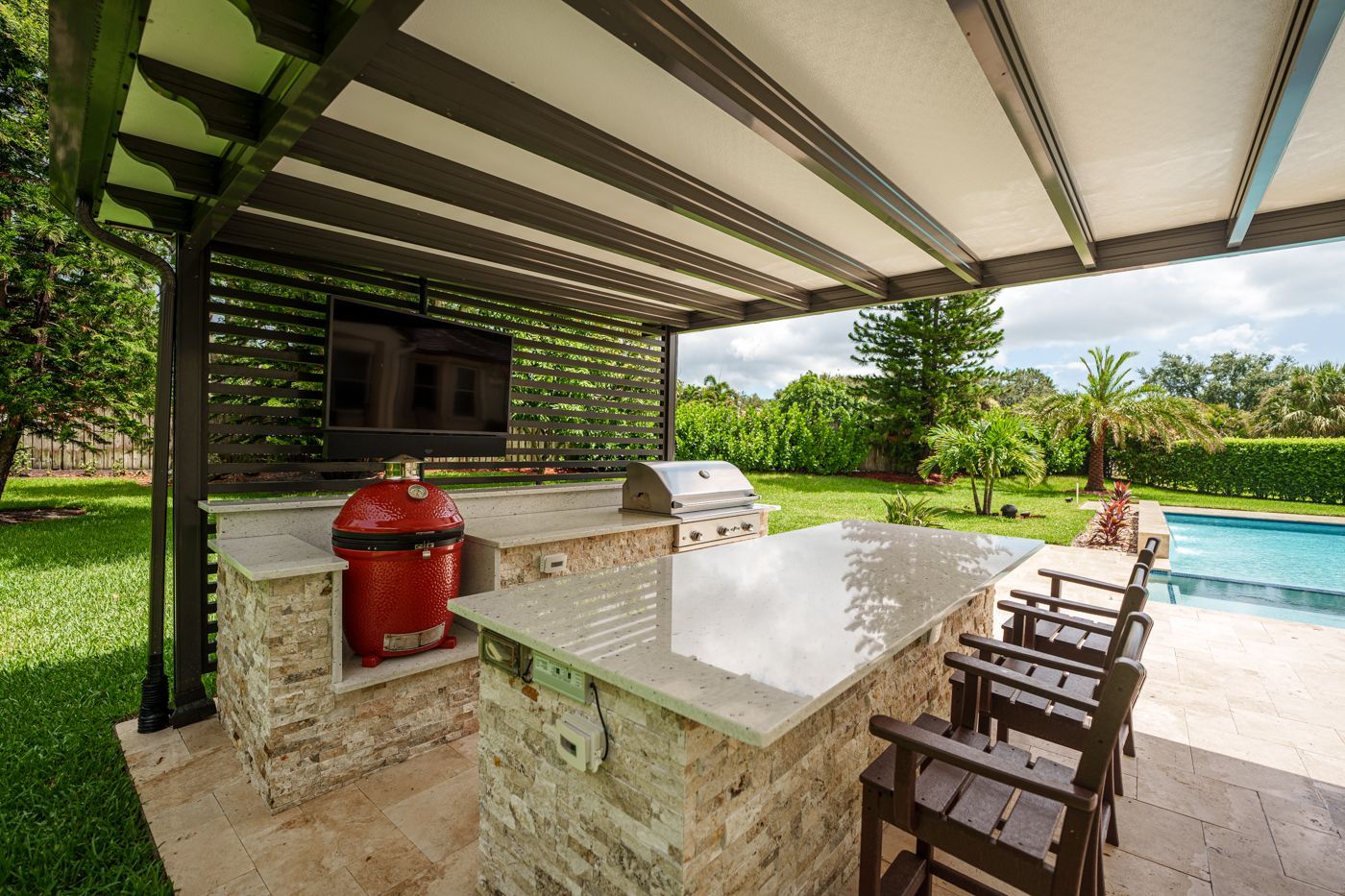
The grill serves as the undisputed centerpiece of any backyard kitchen, making material quality and fuel choice paramount. Gas grills offer instantaneous heating, precise temperature control, and quick cleanup, making them ideal for frequent weeknight dinners and large weekend gatherings. Charcoal grills and ceramic kamado cookers deliver deep, authentic smoky flavors that appeal to traditional barbecue enthusiasts. Stainless steel construction ensures long-term resistance against heavy rain, intense ultraviolet light, and coastal humidity. Investing in commercial-grade cooking appliances elevates your culinary capabilities while safeguarding your outdoor investment against early weathering and rust.
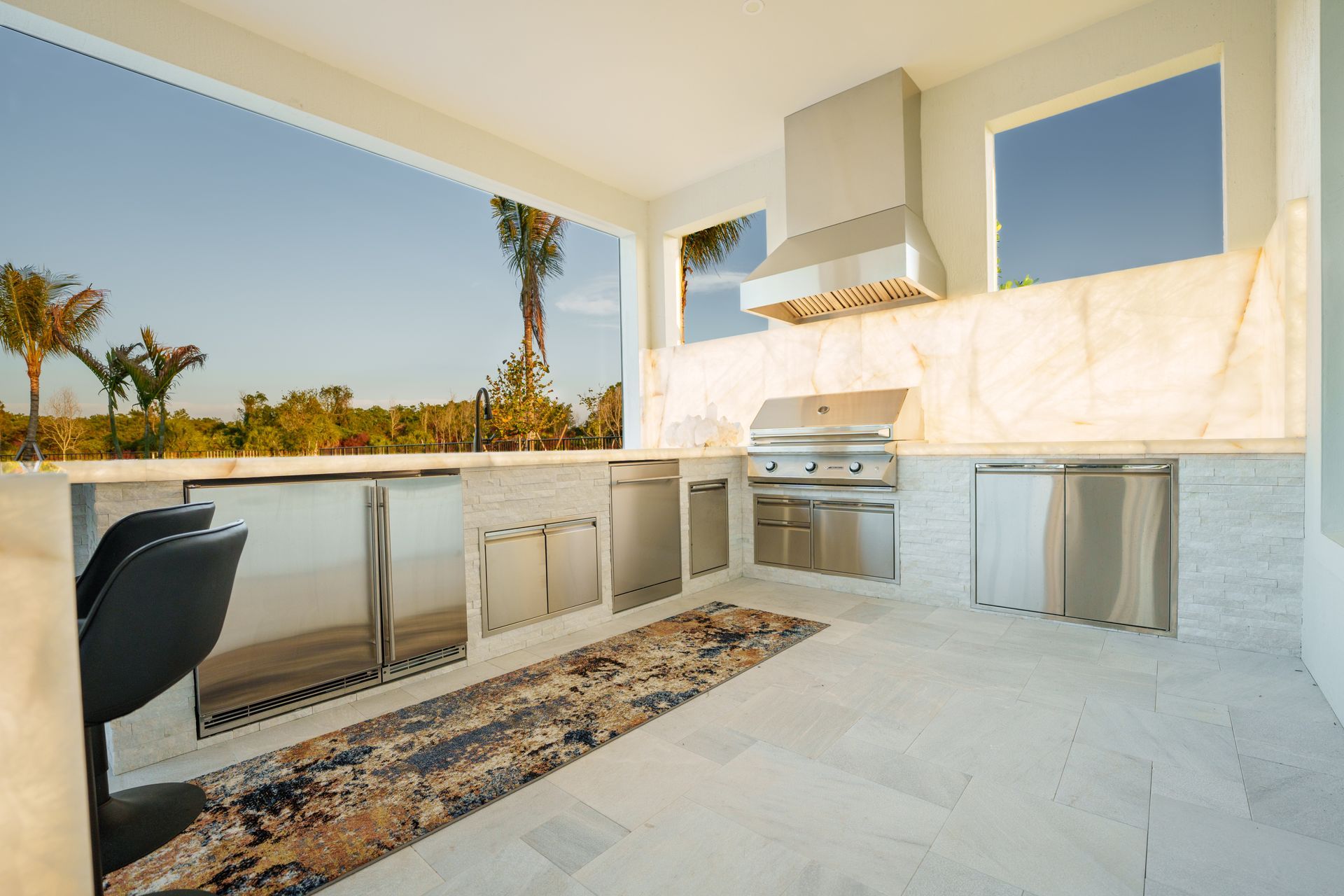
Integrating dedicated refrigeration options keeps beverages cold, ingredients fresh, and hosts fully engaged with their guests. Built-in, weather-rated outdoor refrigerators eliminate continuous trips to the indoor kitchen for ice, marinades, and refreshments. Larger layouts benefit from specialized wine chillers, draft beer kegerators, or automated ice makers that support extended outdoor events. Choosing energy-efficient, marine-grade appliances ensures steady cooling performance even during scorching summer heatwaves. Proper refrigeration transforms your backyard kitchen into a self-sufficient entertainment destination that handles large parties with absolute ease.
Installing a dedicated utility sink provides essential access to running water for handwashing, food prep, and rapid post-dinner cleanup. Stainless steel sinks paired with pull-down spray faucets withstand harsh outdoor elements while providing versatile functionality. Incorporating a sink requires careful plumbing considerations, including proper supply line insulation and winterization valves to prevent frozen pipes during cold months. Beyond basic sinks, custom cooking additions like power burners, smokers, and wood-fired pizza ovens expand your culinary horizons. Incorporating versatile cooking implements ensures your backyard kitchen caters to diverse menu preferences and social occasions.
Prioritizing safety and regular maintenance protects your family and extends the service life of your appliances. Ensure all gas lines, electrical outlets, and plumbing connections strictly comply with local building codes. Install GFCI-protected electrical outlets and place accessible fire extinguishers near high-heat cooking zones. Establishing a consistent cleaning schedule for grill grates, counter surfaces, and refrigeration coils prevents dangerous grease accumulation and mechanical failures. Protective appliance covers defend your equipment against autumn leaves, winter snow, and summer moisture, ensuring your outdoor culinary space remains pristine and operational year-round.
Choosing the Right Materials
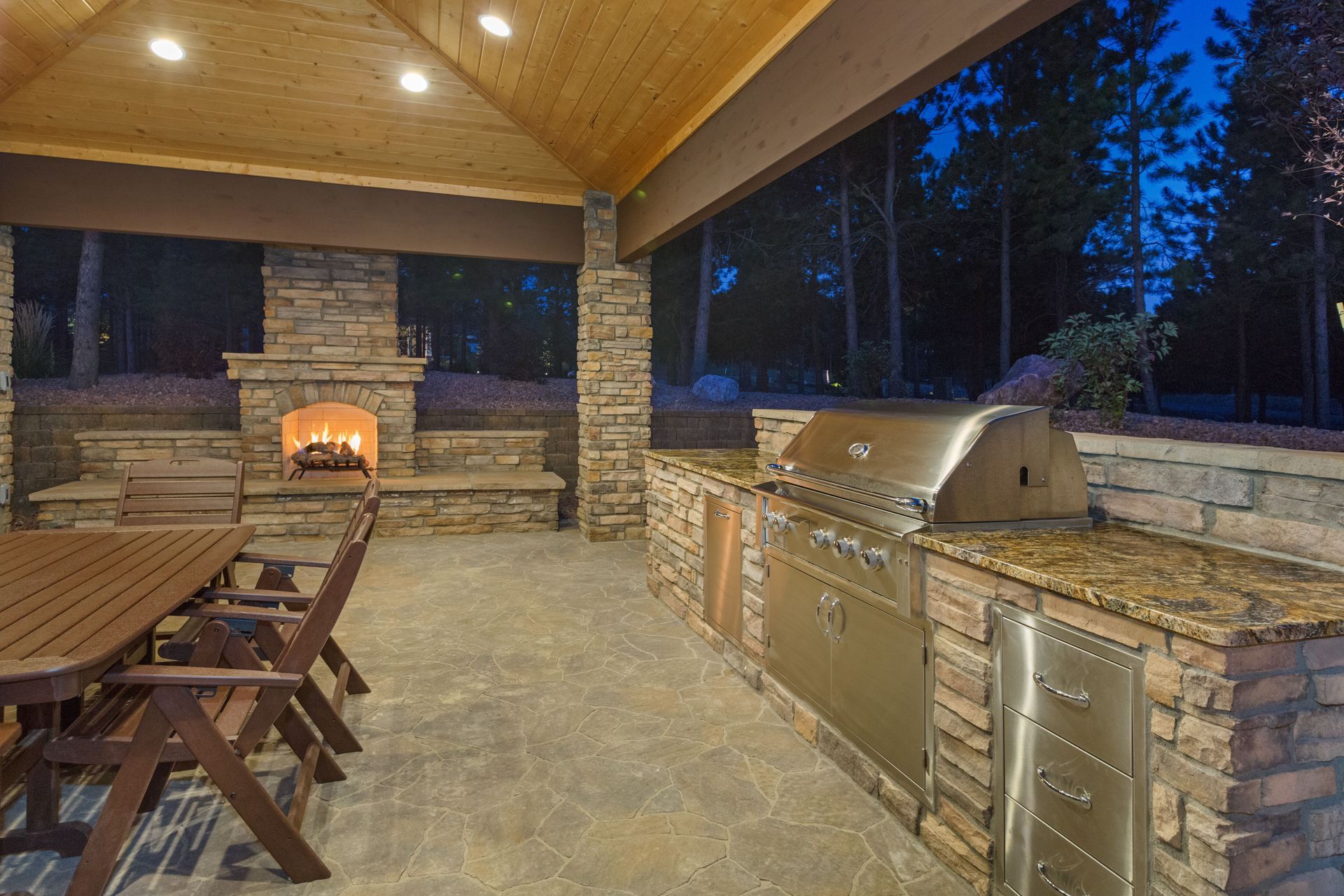
Selecting durable countertop materials is critical for enduring intense weather fluctuations, food spills, and high cooking temperatures. Natural granite remains a top choice for a backyard kitchen due to its exceptional hardness, scratch resistance, and low porosity when properly sealed. Stainless steel offers a modern industrial aesthetic, unmatched hygiene, and complete weather resistance, though it absorbs heat quickly under direct sunlight. Concrete countertops allow for custom shapes and integrated drainboards, while porcelain slabs offer non-porous surfaces that resist staining and UV fading. Selecting the right countertop material ensures a low-maintenance, visually striking workspace.
Flooring selections must balance visual appeal, slip resistance, and structural load capacity. Poured concrete, natural flagstone, and unglazed porcelain tiles provide excellent traction when wet, reducing slip risks around cooking and dining areas. Avoid high-gloss or polished tiles, as they become exceptionally slick when exposed to rain, pool splashes, or grease spills. Ensure the underlying base is properly compacted and pitched slightly away from structural walls to facilitate natural water drainage. High-performance flooring creates a safe, comfortable, and visually cohesive foundation that ties your entire outdoor living area together.
Building materials for cabinetry and island bases must resist moisture intrusion, rot, and pest infestations. Polymer materials like High-Density Polyethylene offer total resistance to water absorption, making them ideal for humid climates. Marine-grade aluminum and stainless steel framing provide non-combustible structural support, which is mandatory when installing heavy gas grills and built-in appliances. Pairing durable structural bases with stone veneers, stucco finishes, or composite wood cladding creates a rich architectural appearance that mirrors your home's exterior design. Choosing resilient materials guarantees long-term durability and structural beauty.
Designing an entertainment-ready backyard kitchen requires balancing functional spatial planning, high-performance appliances, and durable building materials. By establishing clear operational zones, optimizing traffic flow, and choosing weather-resistant finishes, you create a dynamic outdoor venue that enhances daily living and boosts total property value. Beyond mere aesthetics, a well-executed layout streamlines meal preparation, fosters seamless social interaction, and ensures year-round resilience against harsh environmental elements. Thoughtful lighting, comfortable seating arrangements, and strategic shelter solutions further extend the usability of your space well past sunset and through shifting seasons.
Investing in quality craftsmanship transforms an ordinary lawn into an extraordinary culinary sanctuary where family and friends gather to create lasting memories. Custom details tailored to your specific hosting style elevate everyday dining into an unforgettable resort-style experience right in your own yard. When you are ready to bring your dream outdoor culinary space to life with expert craftsmanship, trust the experienced specialists at Paradise Outdoor Kitchens to build your ideal backyard kitchen.