Greg Barca | November 24, 2026
November 24, 2026
Homeowners across the country are expanding their living spaces into the backyard to enjoy alfresco dining and entertaining with family and friends. Because these culinary spaces are constantly exposed to unpredictable weather, temperature fluctuations, and heavy use, building them to last requires careful planning from the very beginning. Creating resilient outdoor kitchens demands a strategic combination of weatherproof materials, smart architectural layout, and consistent seasonal upkeep.
Transforming a patio or deck into a high-performing culinary zone involves much more than simply placing a grill next to a few cabinets. Every surface, appliance, and structural joint must be engineered to withstand harsh ultraviolet rays, driving rain, and humid conditions year after year. By focusing on professional construction techniques and proactive care routines, property owners can protect their financial investment while maximizing their enjoyment of the space.
Selecting the Right Weatherproof Materials
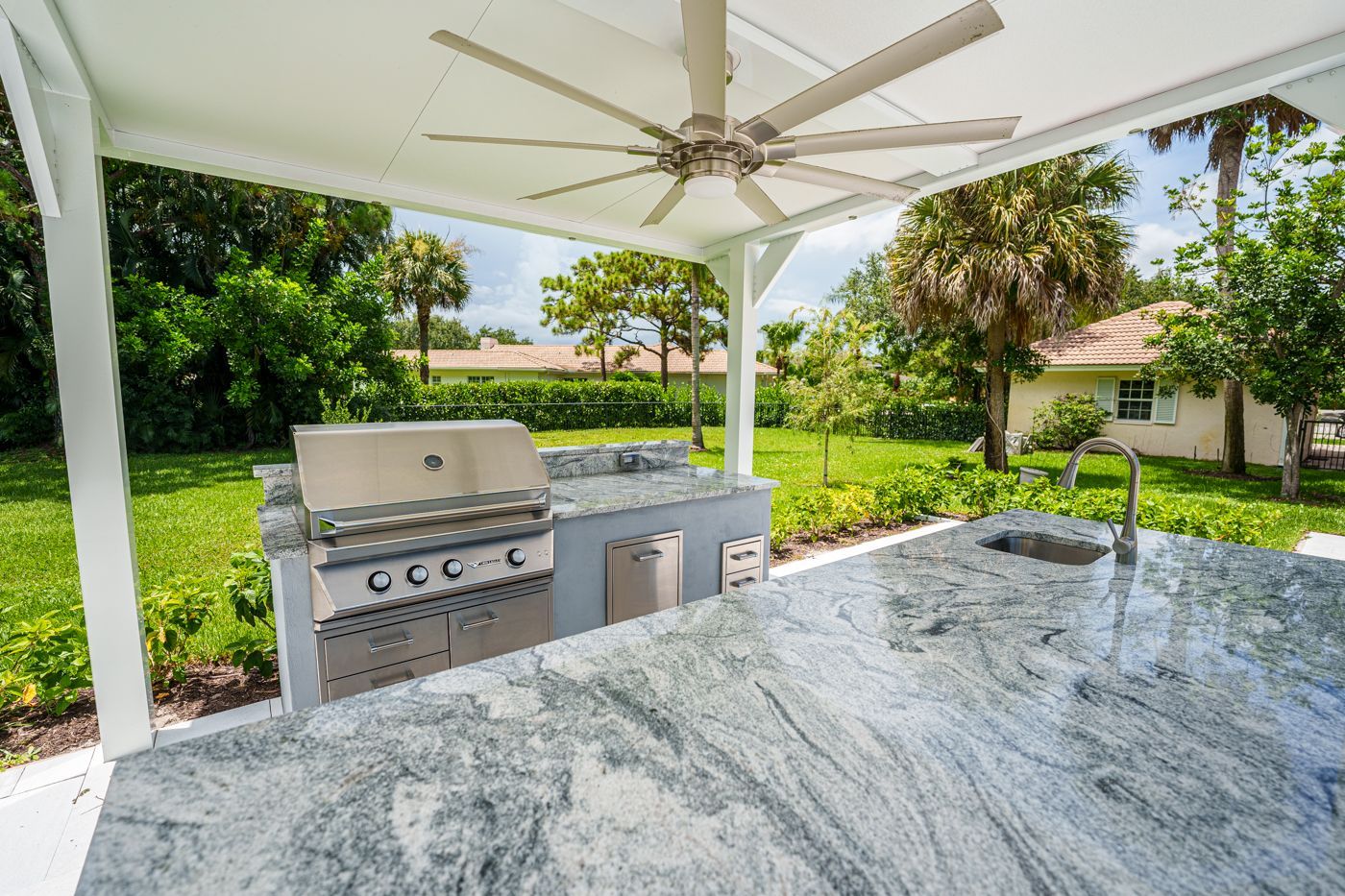
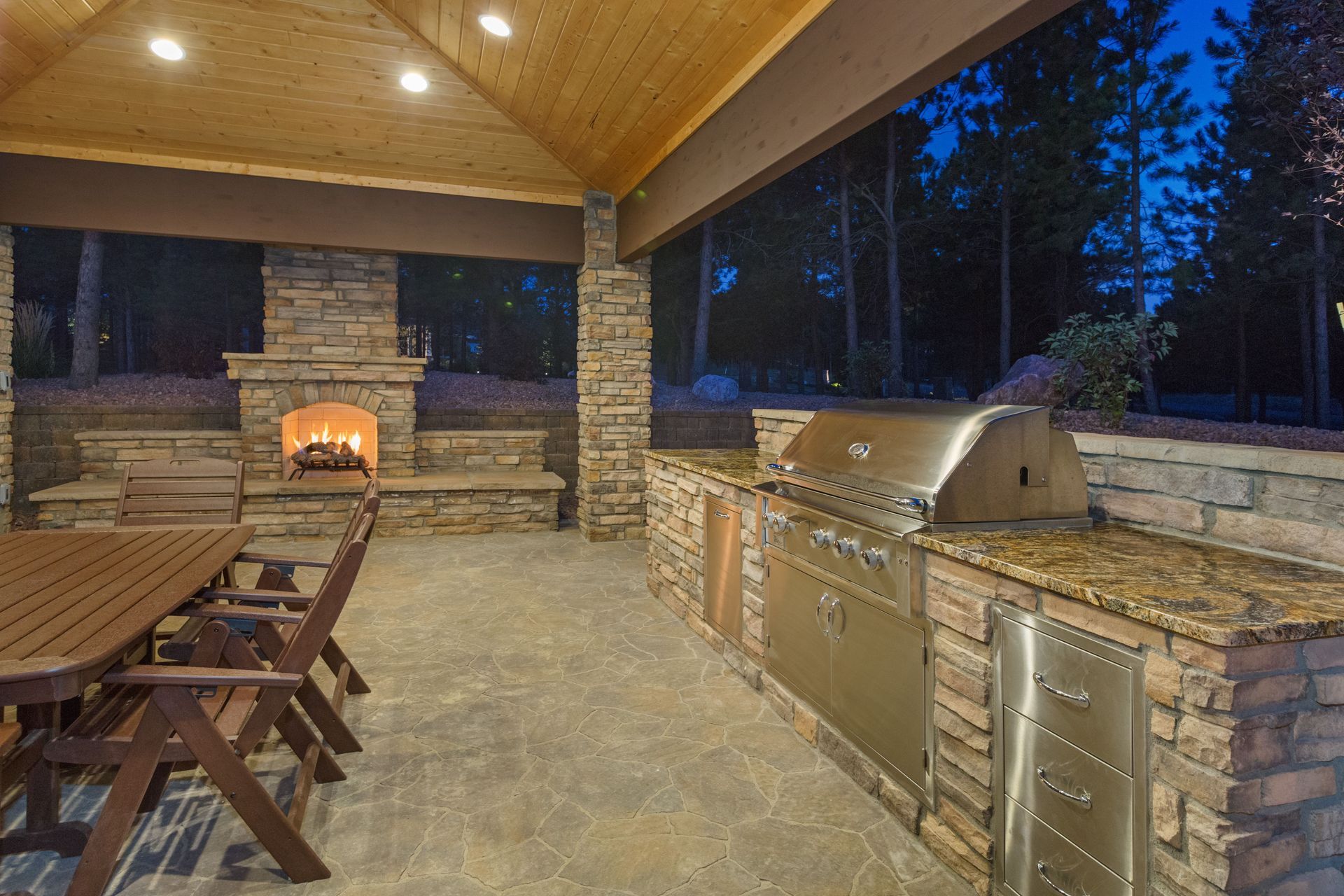
Choosing the proper building components is the single most critical factor in preventing premature wear and tear in an exterior cooking environment. High-grade stainless steel remains the gold standard for appliances, cabinetry, and fixtures because its chromium content naturally resists rust and corrosion while providing a hygienic, non-reactive surface for food preparation. Powder-coated aluminum offers another lightweight, corrosion-resistant alternative for framing and storage doors, whereas untreated cast iron will quickly oxidize when exposed to ambient moisture. When selecting natural stone for countertops and veneers, dense materials like granite outperform porous options like marble, as granite easily handles extreme heat and resists staining when properly sealed. For structural accents or cabinetry, dense hardwoods such as teak, cedar, and redwood provide natural oils that repel water, rot, and wood-boring insects.
Avoiding indoor-grade products is essential, as standard laminates, particleboard, and untreated metals will rapidly swell, delaminate, or disintegrate under the stress of outdoor elements. Prolonged exposure to direct sunlight can also fade pigments and weaken synthetic polymers, making UV-stabilized finishes a necessity for any exposed surfaces. According to This Old House, the countertop should also be canted forward slightly, usually 1/8 inch per foot of depth, to prevent water puddles, a common issue that diminishes material longevity if not addressed. Proper construction and material choice are prerequisites in building a long-lasting outdoor kitchen structure. Engaging experienced contractors to weld metal joints and properly seal stone seams ensures that outdoor kitchens retain their structural integrity through every season.
Designing for Optimal Layout and Airflow
A thoughtfully organized floor plan enhances both the safety and the longevity of a backyard culinary space by streamlining daily workflows and reducing physical wear on surfaces. Separating the layout into distinct zones for preparation, cooking, serving, and cleanup prevents overcrowding and minimizes the risk of accidental spills or heat damage to surrounding materials. Maintaining safe clearances between high-heat appliances like grills or pizza ovens and adjacent cabinetry protects finishes from scorching and warping over time. Integrating ergonomic counter heights and accessible under-counter storage also keeps heavy cookware organized and off exposed countertops, preserving the clean lines and durability of the workspace.
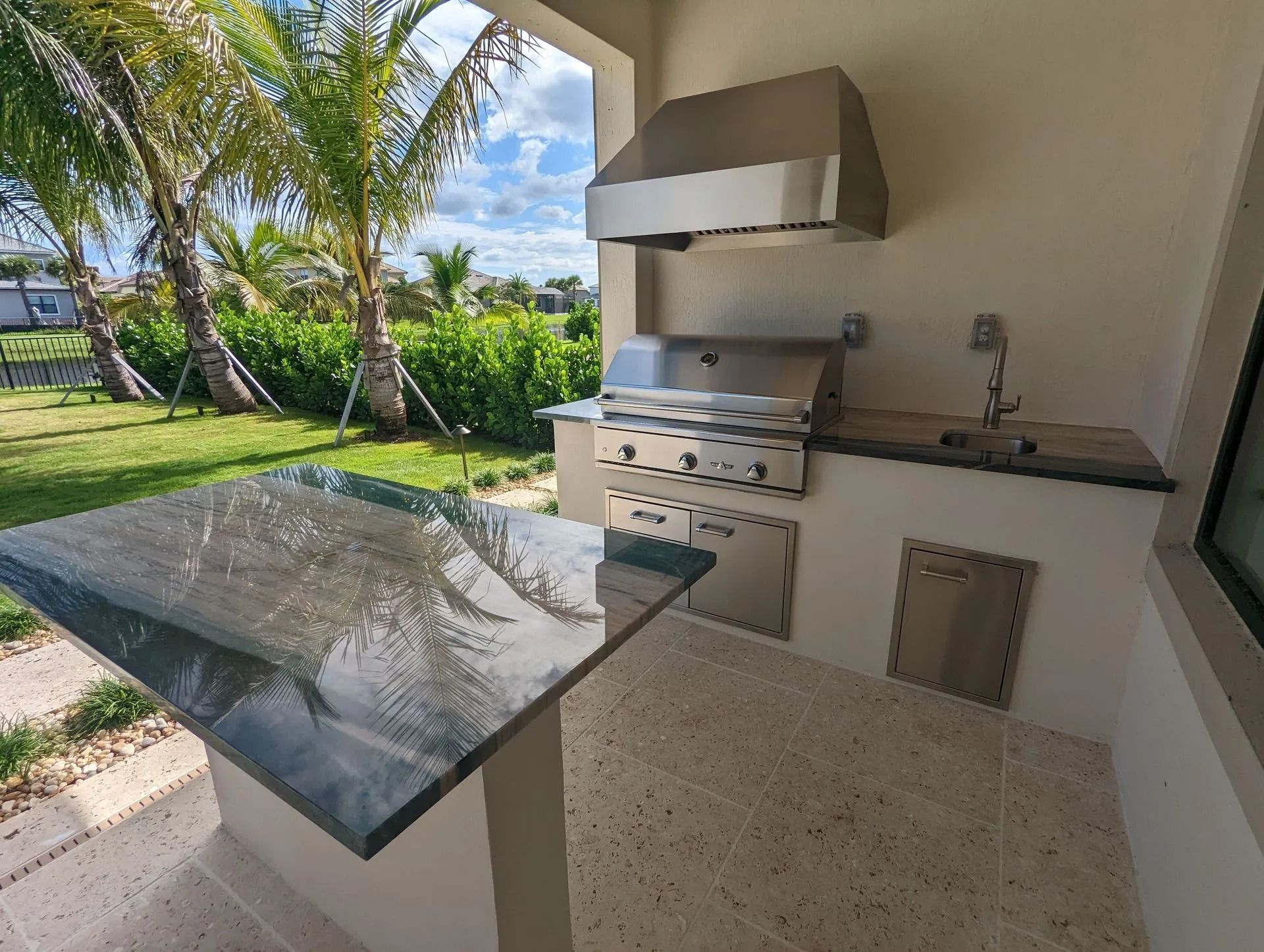
Proper ventilation and spatial orientation play an equally vital role in protecting the structure from heat and smoke accumulation. Positioning cooking appliances to work with prevailing breezes allows smoke, grease, and combustion gases to dissipate naturally rather than staining overhead pergolas or nearby siding. When a cooking station is situated under a solid roof or covered patio, installing a commercial-grade exterior exhaust hood is mandatory to capture rising heat and airborne grease before it degrades ceiling materials. Incorporating overhead shade structures, louvered roofs, or strategic landscaping buffers further shields delicate finishes from driving rain and harsh afternoon sun while keeping outdoor kitchens comfortable for hosts and guests alike.
Implementing Routine Cleaning and Surface Care
Consistent cleaning habits are the most effective defense against the gradual buildup of grease, dirt, and environmental pollutants that erode exterior finishes. Wiping down grill grates, countertops, and prep sinks immediately after each use prevents acidic food residues and cooking oils from etching stone surfaces or attracting pests. Using non-abrasive cleaners formulated specifically for exterior masonry and metals ensures that protective sealants remain intact during routine wipe-downs. In coastal regions or areas with high humidity, rinsing metal hardware with fresh water and drying it thoroughly removes corrosive salt deposits and prevents surface pitting before it can compromise structural integrity.
Scheduled preventative treatments keep porous and organic materials performing at their peak despite constant exposure to the elements. Natural stone countertops require periodic resealing to maintain an invisible barrier against moisture penetration, oil stains, and mold growth in damp climates. Similarly, hardwood cabinetry and trim benefit from an annual application of penetrating marine-grade oil or UV-blocking sealant to prevent the fibers from drying out, splitting, or graying under the sun. Applying specialized protective wax or polish to stainless steel doors and appliance fronts creates an extra shield against oxidation, ensuring that outdoor kitchens maintain their showroom shine and reliable performance year after year.
Protecting Appliances and Utility Systems
High-end culinary equipment represents a significant portion of any backyard investment, making dedicated protection against the elements essential for maximizing appliance lifespan. Custom-fitted, breathable vinyl or canvas covers shield grills, side burners, and refrigerators from rain, dust, and falling debris when the space is not in use. Breathable fabrics are particularly important because they allow trapped moisture to evaporate rather than condensing inside appliance housings and corroding internal burners or electrical components. Placing sensitive refrigeration units and ice makers in shaded, well-ventilated enclosures also prevents their compressors from overworking during peak summer heatwaves, reducing mechanical strain and energy consumption.
Safeguarding plumbing and electrical infrastructure requires proactive seasonal attention to prevent catastrophic damage from freezing temperatures and moisture intrusion. Before the first hard freeze arrives in colder climates, property owners must shut off exterior water supply valves, drain all supply lines, and clear water from sink traps and ice maker connections to prevent burst pipes. Electrical outlets should be equipped with weatherproof in-use covers and ground-fault circuit interrupter protection to guard against moisture-related shorts. Scheduling annual professional inspections of gas lines, regulators, and igniters ensures safe fuel delivery and catches worn gaskets early, keeping outdoor kitchens operating reliably across every season.
Integrating Smart Weatherproofing Technology
Modern advancements in exterior building technology offer innovative ways to automate protection and extend the usable lifespan of backyard living spaces. Motorized retractable screens, automated louvered pergolas, and weather-sensing awnings allow homeowners to instantly enclose their culinary zone at the first sign of high winds, heavy rain, or intense UV exposure. These smart shading systems reduce thermal stress on countertops and appliances while keeping the workspace dry and ready for spontaneous entertaining. Integrating smart outdoor lighting with programmable timers and motion sensors also enhances nighttime visibility and safety while utilizing durable, marine-grade LED fixtures designed to resist moisture and temperature extremes.
Connected appliance technology further simplifies long-term maintenance by providing real-time diagnostics and usage alerts directly to a smartphone. Modern smart grills and exterior refrigeration units can notify owners when internal temperatures fluctuate unexpectedly, when grease traps need emptying, or when air filters require cleaning. Automated leak detection sensors installed beneath sinks and along water supply lines can immediately shut off water flow and send an alert if a fitting fails, preventing hidden water damage to cabinetry and subflooring. By pairing resilient architectural design with intelligent monitoring systems, homeowners can effortlessly preserve the beauty and function of outdoor kitchens for decades to come.
Building a backyard culinary space that stands the test of time comes down to making informed decisions about materials, spatial design, and ongoing care. When every component is chosen for its ability to resist moisture, heat, and ultraviolet radiation, the entire structure requires far less reactive repair and delivers superior performance. Combining smart architectural layouts with disciplined cleaning routines and seasonal utility maintenance ensures that appliances, countertops, and cabinetry remain in peak condition regardless of the local climate.
For homeowners ready to elevate their backyard living experience with custom-built, weather-resistant
outdoor kitchens designed for decades of reliable performance, partnering with experienced professionals makes all the difference. Reach out to Paradise Outdoor Kitchens today to schedule a design consultation and start planning a durable culinary space tailored to your home and lifestyle.